Discovering the Key Attributes of ADA Signs for Enhanced Accessibility
In the world of ease of access, ADA indicators serve as quiet yet powerful allies, guaranteeing that spaces are comprehensive and navigable for people with handicaps. By incorporating Braille and tactile components, these signs damage obstacles for the visually impaired, while high-contrast shade systems and clear typefaces provide to diverse visual requirements.
Relevance of ADA Compliance
Making sure conformity with the Americans with Disabilities Act (ADA) is vital for fostering inclusivity and equal gain access to in public rooms and workplaces. The ADA, enacted in 1990, mandates that all public facilities, companies, and transport solutions accommodate individuals with impairments, guaranteeing they appreciate the same rights and chances as others. Conformity with ADA criteria not just meets lawful obligations however likewise improves a company's online reputation by showing its commitment to diversity and inclusivity.
One of the crucial facets of ADA conformity is the execution of accessible signage. ADA signs are developed to guarantee that individuals with specials needs can quickly navigate via rooms and structures. These indicators have to adhere to certain guidelines relating to size, font style, color contrast, and positioning to guarantee visibility and readability for all. Effectively executed ADA signage helps eliminate obstacles that individuals with specials needs usually come across, thus promoting their freedom and self-confidence (ADA Signs).
Additionally, adhering to ADA laws can alleviate the risk of lawful consequences and potential penalties. Organizations that stop working to follow ADA standards may encounter charges or lawsuits, which can be both monetarily troublesome and destructive to their public photo. Therefore, ADA conformity is essential to cultivating an equitable atmosphere for everyone.
Braille and Tactile Aspects
The incorporation of Braille and tactile aspects right into ADA signs personifies the concepts of accessibility and inclusivity. It is normally positioned under the corresponding text on signage to guarantee that individuals can access the info without visual help.
Responsive aspects prolong beyond Braille and include raised symbols and characters. These components are designed to be discernible by touch, allowing people to recognize area numbers, toilets, departures, and other vital areas. The ADA sets particular guidelines regarding the dimension, spacing, and positioning of these tactile elements to maximize readability and make sure consistency throughout different environments.
High-Contrast Color Design
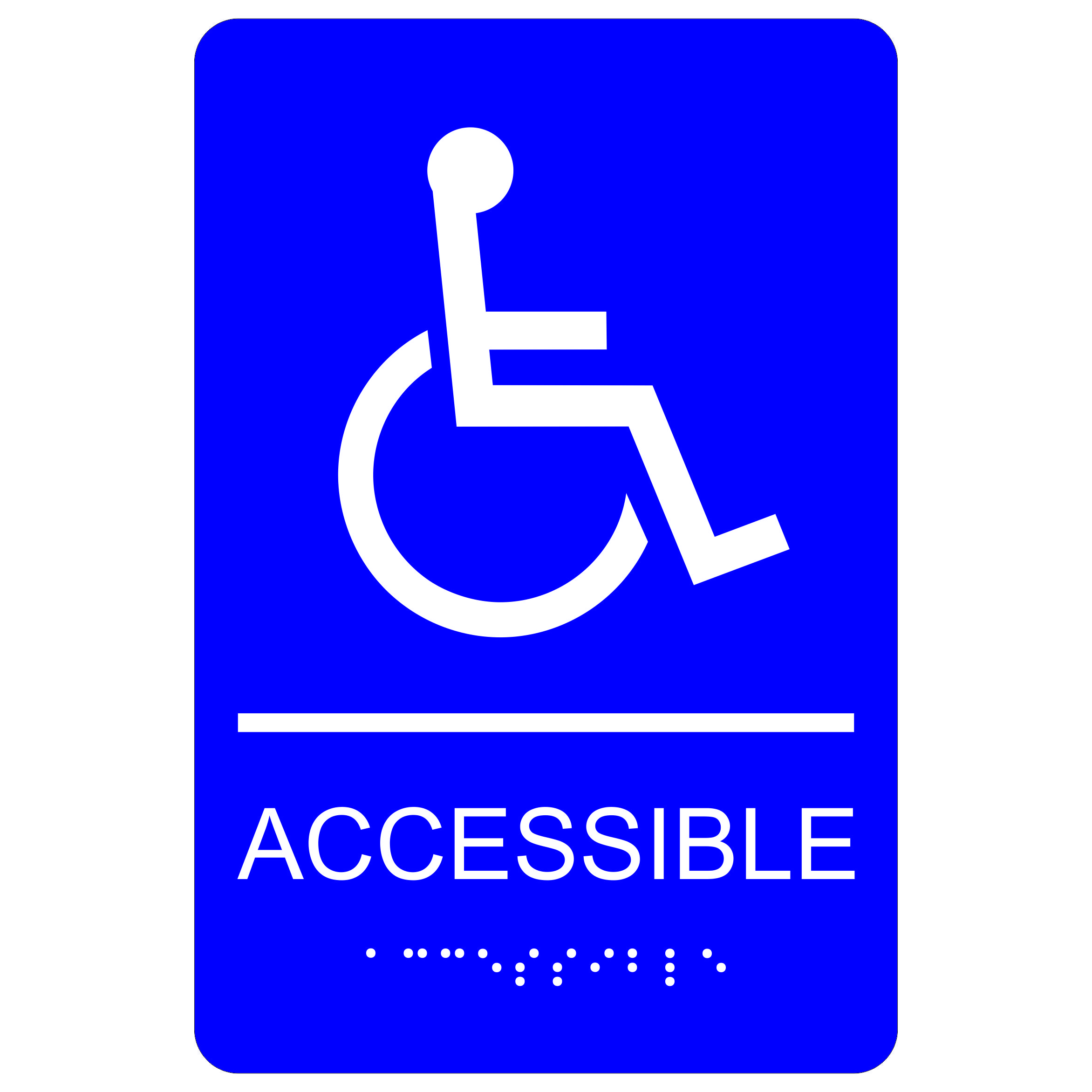
High-contrast color schemes play a crucial function in improving the exposure and readability of ADA signage for people with aesthetic problems. These schemes are important as they take full advantage of the difference in light reflectance between message and background, guaranteeing that indications are easily discernible, also from a distance. The Americans with Disabilities Act (ADA) mandates making use of particular shade contrasts to accommodate those with minimal vision, making it an important facet of compliance.
The efficiency of high-contrast colors lies in their capacity to stand apart next in numerous lighting conditions, consisting of dimly lit atmospheres and locations with glare. Commonly, dark text on a light history or light message on a dark background is utilized to attain optimal contrast. As an example, black text on a white or yellow history provides a plain aesthetic distinction that aids in quick recognition and understanding.
Legible Fonts and Text Dimension
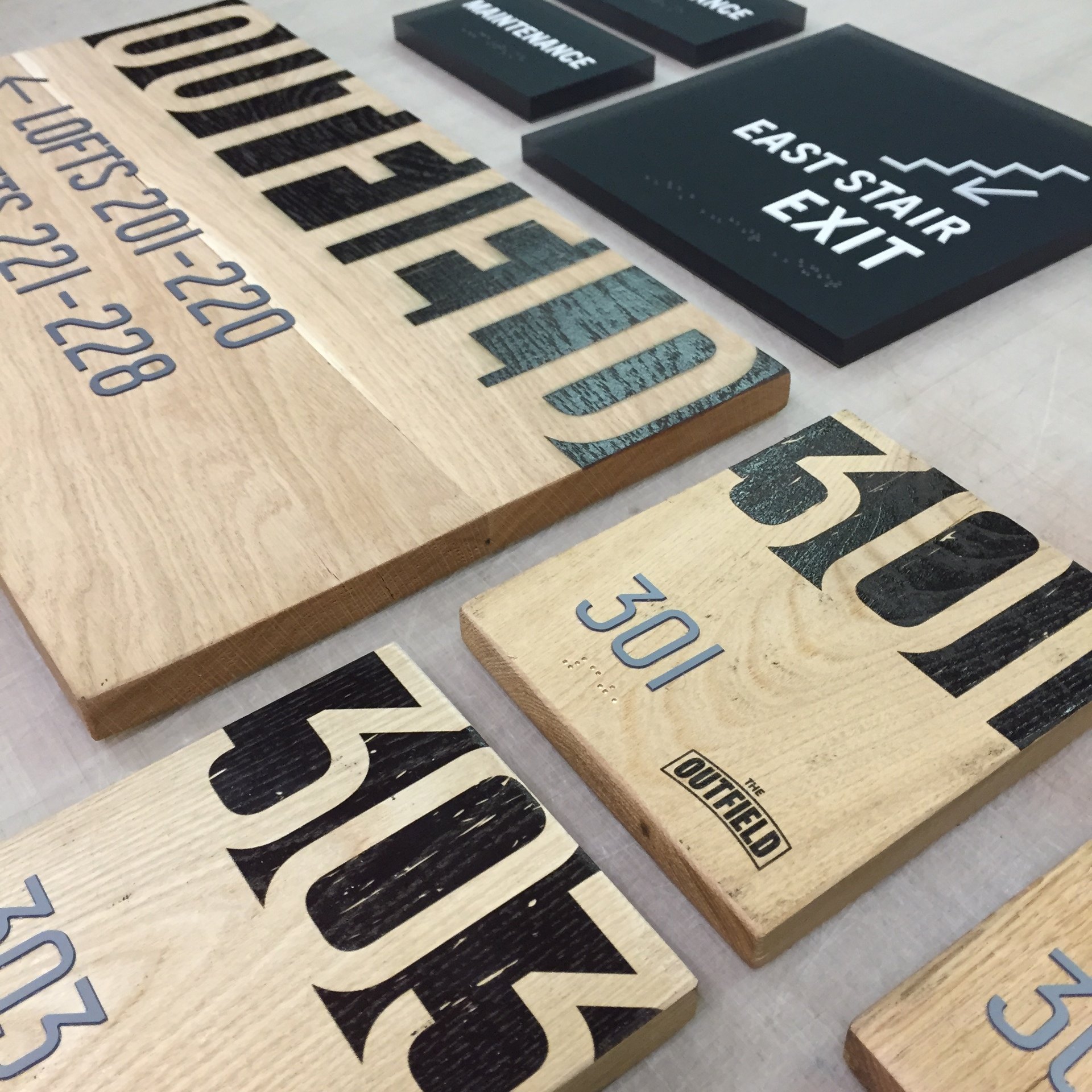
When considering the style of ADA signage, the option of understandable typefaces and appropriate text size can not be overstated. These elements are important for making sure that indicators come to people with aesthetic problems. The Americans with Disabilities Act (ADA) mandates that typefaces have to be sans-serif and not italic, oblique, manuscript, very attractive, or of uncommon kind. These needs assist make sure that the message is quickly understandable from a distance and that the personalities are distinct to varied audiences.
According to ADA standards, the minimum message height must be 5/8 inch, and it ought to raise proportionally with checking out distance. Uniformity in text dimension contributes to a natural visual experience, assisting individuals in browsing environments successfully.
Furthermore, spacing in between letters and lines is indispensable to clarity. Adequate spacing stops characters from appearing crowded, boosting readability. By adhering to these requirements, designers can substantially improve access, guaranteeing that signs serves its designated objective for all individuals, regardless of their visual capacities.
Effective Placement Approaches
Strategic placement of ADA signage is crucial for making best use of ease of access and making certain compliance with legal requirements. Effectively located signs assist people with impairments successfully, promoting navigation in public areas. Key considerations include elevation, closeness, and presence. ADA guidelines specify that signs ought to be installed at a height between 48 to 60 inches from the ground to ensure they are within the line of sight for both standing and seated individuals. This conventional height variety is important for inclusivity, making it possible for mobility device customers and people of varying heights to gain access to information effortlessly.
Furthermore, signs have to be put adjacent to the lock side of doors to allow very easy identification prior to entry. Uniformity in indicator placement throughout a center enhances predictability, minimizing confusion and enhancing overall individual experience.
Conclusion
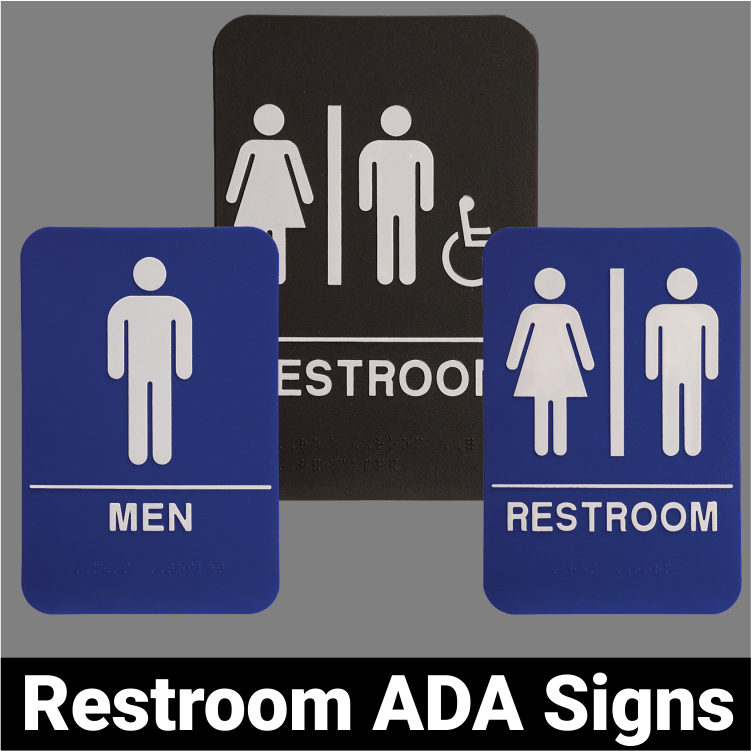
ADA indications play a vital function in advertising accessibility by integrating my website functions that resolve the needs of individuals with handicaps. Incorporating Braille and tactile aspects makes certain crucial info is obtainable to the visually impaired, while high-contrast color design and clear sans-serif font styles boost presence across various lighting conditions. Efficient positioning methods, such as ideal mounting heights and tactical locations, even more assist in navigating. These aspects jointly promote a comprehensive environment, underscoring the significance of ADA compliance in guaranteeing equal gain access to for all.
In the realm of access, ADA indicators serve as quiet yet effective allies, ensuring that spaces are inclusive and navigable for individuals with disabilities. The ADA, enacted in 1990, mandates that all public centers, companies, and transportation solutions fit individuals with disabilities, guaranteeing they take pleasure in the exact same rights and possibilities as others. ADA Signs. ADA indications are developed to ensure that people with specials needs can easily browse with spaces and structures. ADA guidelines stipulate that indications ought to be placed at a height in between 48 to 60 inches from the ground to ensure they are within the line of view for both standing and seated individuals.ADA signs play an essential function in advertising availability by integrating functions that address the requirements of individuals with specials needs